
Why Bioplastics Matter in Food Packaging?
Reading Time: 6 minutes
2025/02/25

Introduction
Food packaging is essential in our modern world—it keeps our food safe, fresh, and convenient. But with our reliance on traditional plastics, we've created a massive environmental problem. From overflowing landfills to polluted oceans, the issues are clear. That’s where bioplastics come in. These eco-friendly materials, made from renewable sources like plants, offer a sustainable alternative. Let’s explore why bioplastics matter, their current role, and what the future holds for them in food packaging.Why are Bioplastics Important?
Protecting the Environment
Traditional plastics take centuries to decompose, choking ecosystems and harming wildlife along the way. A significant culprit? Single-use food packaging. Bioplastics can help solve this. They’re often biodegradable and compostable, breaking down into natural elements under the right conditions. Materials like PLA (polylactic acid) and PHA (polyhydroxyalkanoates) are game-changers, designed to leave a much smaller environmental footprint.Consumer Awareness and Regulation
People are becoming more aware of the environmental impact of their choices. This has driven demand for greener alternatives. Governments are stepping in too, banning single-use plastics and promoting sustainability with policies like the EU’s Circular Economy Action Plan. These actions are paving the way for bioplastics to shine.Functional Advantages
Bioplastics aren’t just good for the planet—they’re incredibly versatile. They can be strong, flexible, and great at keeping food fresh. With innovations in material science, bioplastics are increasingly meeting the practical needs of the food packaging industry.What Bioplastics Are and How They’re Used?
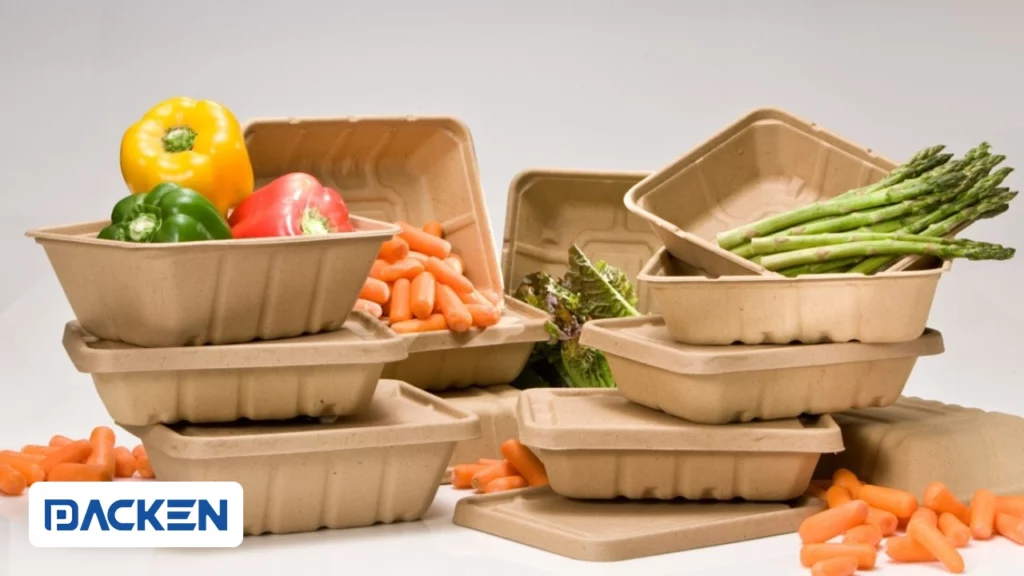
Polylactic Acid (PLA)
PLA, made from crops like corn and sugarcane, is one of the most popular bioplastics. Its transparency and strength make it ideal for things like salad trays and clear packaging. Think of it as a greener alternative to PET plastics.Polyhydroxyalkanoates (PHA)
PHA is created by microorganisms and can break down in natural environments like soil and water. It’s perfect for packaging products with high moisture, such as ready-to-eat meals.Thermoplastic Starch (TPS)
TPS comes from everyday starch sources like potatoes and corn. It’s budget-friendly and biodegradable, commonly used for disposable items like food bags.Cellulose-Based Bioplastics
Cellulose, found in plants, is a renewable resource that creates strong, breathable packaging. It’s often used for packaging fresh products, although its hydrophilic nature can limit some applications.Compositions and Composites
Combining bioplastics with other materials opens up new possibilities. These compositions improve strength, heat resistance, and overall performance, making bioplastics even more competitive.Modified Atmosphere Packaging (MAP):
Modified Atmosphere Packaging (MAP) is a preservation technology where the atmosphere inside a food package is adjusted to extend the shelf life and maintain quality. This is achieved by replacing the oxygen with a tailored mix of gases such as carbon dioxide and nitrogen, which inhibits microbial growth and slows down spoilage processes. MAP is widely used for perishable food products, including meat, dairy, fruits, and vegetables, ensuring product freshness and reducing food waste. The success of MAP relies on the packaging material's ability to provide an adequate gas and moisture barrier, which is critical for maintaining the modified atmosphere throughout the storage period.MAP and Bioplastics in Food Packaging:
The integration of MAP with bioplastics, such as polylactic acid (PLA) and cellulose-based materials, provides an environmentally sustainable approach to food preservation. These bioplastics offer sufficient gas and moisture barriers for short- and medium-shelf-life products while reducing environmental impact through biodegradability and lower carbon footprints. Studies have shown that bioplastics, used in conjunction with MAP, perform well in maintaining shelf life for products like fresh produce, meat, and grated cheese, often matching conventional plastics in performance. While challenges such as material brittleness exist, advancements in multilayer bioplastic films are improving durability and expanding their industrial application. For the packaging of food products, selecting the appropriate packaging machine is essential. Packen is a designer and manufacturer of packaging machines. Our company specializes in this field. Generally, our machines are designed to package products either inside trays or within plastic pouches. For packaging products inside trays, semi-automatic and automatic tray sealer packaging machines, as well as thermoforming machines, are utilized. For packaging within plastic pouches, vacuum chamber packaging machines are suitable.Semi-Automatic Tray Sealer Packaging Machine

Automatic Tray Sealer Packaging Machine

Thermoforming Packaging Machine

Vacuum Chamber Packaging Machine

